




ON THE WEB:
Protect your home and property from termites with professional termite control services from Milton Lawn Care.
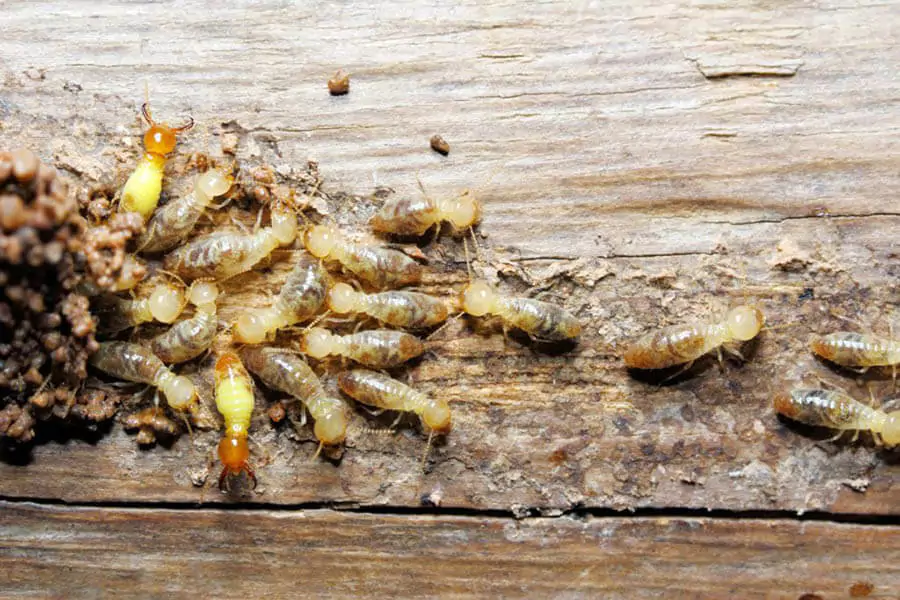
Termites are small, quiet, and incredibly good at causing expensive problems. They can feed on wood and other materials containing cellulose, often working out of sight until signs of damage become noticeable. Unfortunately, these unwanted guests don't need an invitation. They can enter through soil, foundation openings, and other access points, potentially damaging wooden structures and other parts of your property. That's where Milton Lawn Care comes in. Our termite control services help you address termite activity and take steps toward protecting your property from further damage. Because your home is a place to live, relax, and make memories. It is not a complimentary dining experience for insects with a serious wood craving. Termites can be difficult to detect because much of their activity happens behind walls, beneath floors, or underground.
Tell us about your property and the care you need. Talk with Milton Lawn Care about suitable services and availability for your location.
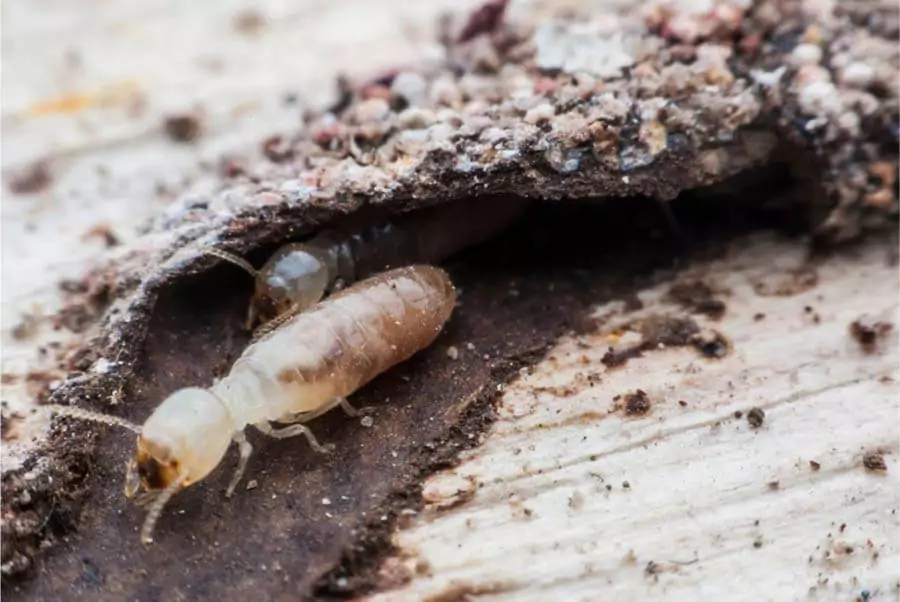
By the time you notice a problem, a colony may have been feeding for some time. Common warning signs include mud tubes along foundations, hollow sounding wood, discarded wings near windows or doors, and wood that appears damaged or weakened. However, these signs can vary depending on the termite species and location. At Milton Lawn Care, we help take the guesswork out of termite control by focusing on the signs of activity and the treatment options suited to the problem. Effective control may involve targeted treatments, colony management, and steps to reduce conditions that attract termites. The right solution depends on the type of termite, the extent of the infestation, and the construction of the property. Serious structural infestations may require a licensed termite specialist or pest control professional with the appropriate equipment and expertise. After all, termites don't need a welcome mat. They just need an opportunity.
Termites can cause damage over time, making early detection and appropriate control important for protecting your property.
Termites feed on materials containing cellulose, including many types of wood. Identifying and addressing termite activity can help reduce the risk of additional damage to affected areas.
Mud tubes, discarded wings, and damaged wood can indicate termite activity. Recognizing these signs and arranging an appropriate inspection can help you address a problem before it becomes more extensive.
Your home or commercial property is a major investment. Termite control can be an important part of protecting its condition and helping prevent costly repairs associated with untreated infestations.
Simply removing visible termites does not necessarily eliminate a colony. Effective treatment focuses on the infestation itself and may include monitoring or follow up measures, depending on the treatment used.
Moisture problems, wood in direct contact with soil, and wood debris near a structure can create conditions that favor termite activity. Addressing these issues can help support a broader termite management plan.
Tell us about your property and the care you need. Talk with Milton Lawn Care about suitable services and availability for your location.
Termites can cause damage over time, making early detection and appropriate control important for protecting your property. Termites feed on materials containing cellulose, including many types of wood. Identifying and addressing termite activity can help reduce the risk of additional damage to affected areas. Mud tubes, discarded wings, and damaged wood can indicate termite activity. Recognizing these signs and arranging an appropriate inspection can help you address a problem before it becomes more extensive. Your home or commercial property is a major investment. Termite control can be an important part of protecting its condition and helping prevent costly repairs associated with untreated infestations. Simply removing visible termites does not necessarily eliminate a colony. Effective treatment focuses on the infestation itself and may include monitoring or follow up measures, depending on the treatment used. Moisture problems, wood in direct contact with soil, and wood debris near a structure can create conditions that favor termite activity.
Addressing these issues can help support a broader termite management plan. Every termite problem is different. The type of termite, the location of the colony, the amount of damage, and the design of the building can all affect the best treatment approach. That's why proper identification matters. Subterranean termites often enter structures from the soil, while drywood termites can infest dry wood without direct contact with the ground. Different species may require different control methods. Milton Lawn Care helps you understand the next steps for addressing termite concerns. Depending on the situation and services available, this may include identifying signs of activity, discussing suitable treatment options, and helping determine whether a specialized termite inspection is needed. It's also important to remember that termite control is different from routine lawn pest management.
Possible signs include mud tubes, discarded wings, hollow sounding wood, bubbling paint, or wood that looks damaged. These signs do not always confirm termites, so a professional inspection may be needed.
Yes. Certain termite species can damage wood and other cellulose containing materials in buildings. If left untreated, some infestations can cause significant damage over time.
Some products are available for limited uses, but treating an established termite colony can be difficult. Professional inspection and treatment are often recommended, particularly when termites may be affecting a building's structure.
That depends on the treatment method, product, termite species, and site conditions. Some treatments require monitoring or follow up service. Always ask the treating professional about expected protection and maintenance.
Reduce excess moisture, repair leaks, keep wood debris away from the foundation, and avoid direct wood to soil contact where possible. Regularly check for mud tubes and other signs of activity around your property.
If termites are suspected inside a building or causing structural damage, a qualified termite control professional should inspect the property and recommend the appropriate treatment. Our goal is to help you take termite concerns seriously and find a practical path toward protecting your property. Because your home should be your castle, not a buffet with a mortgage. Think termites may be moving in without paying rent? Don't wait for these wood eating freeloaders to turn a small concern into a costly repair. Milton Lawn Care can help you understand your options and take the next step toward addressing termite activity. Let's make it clear to those tiny trespassers: this property is not on the menu. Contact Milton Lawn Care today to ask about termite control services. Your home deserves protection, not a colony of unwanted renovation contractors.
Tell us about your property and the care you need. Talk with Milton Lawn Care about suitable services and availability for your location.
Lawn care, pest control, and commercial grounds maintenance to help your property look its best.

 Call Now! (770) 415-8121